Author: parislove

  • French Cuisine for Kids: How to Engage Children in Cooking French Dishes


    Introducing the rich and diverse world of French cuisine to young palates can be an exciting culinary adventure for both kids and parents alike. From buttery croissants to savory ratatouille, French cooking offers a delightful array of flavors and textures that can captivate even the most discerning young eaters. Engaging children in the process of preparing these delectable French dishes not only fosters a love for good food but also instills essential cooking skills and cultural appreciation from an early age.

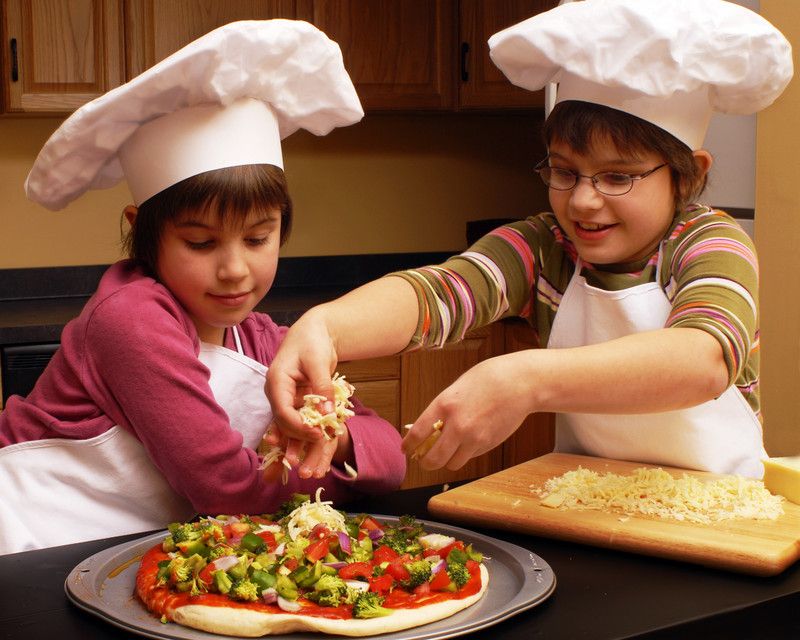
    One of the best ways to introduce children to the wonders of French cooking is through interactive cooking sessions that emphasize hands-on participation. Encouraging kids to get involved in the preparation process, whether it’s kneading dough for baguettes or assembling colorful vegetable tarts, can nurture their curiosity and creativity in the kitchen.
    Moreover, exploring the vibrant palette of French flavors can be a delightful learning experience for young chefs. From the sweetness of fresh berries in a classic clafoutis to the savory richness of a hearty coq au vin, French cuisine offers a medley of tastes that can broaden children’s culinary horizons and encourage them to embrace a diverse range of ingredients.

    Incorporating age-appropriate cooking techniques, such as whisking, stirring, and simple knife skills, not only makes the cooking process more accessible but also empowers children to develop a sense of confidence and accomplishment in the kitchen. Moreover, discussing the cultural significance of various French dishes and ingredients can foster an understanding and appreciation of different culinary traditions and practices around the world.

    By involving children in the preparation of French dishes, parents can cultivate a positive relationship with food that extends beyond mere consumption. Teaching them the importance of fresh, seasonal produce and the value of mindful eating can lay the foundation for a lifelong appreciation of wholesome, nutritious meals.

    Ultimately, introducing French cuisine to children is not just about creating delicious meals but also about nurturing a sense of exploration, creativity, and cultural understanding. By involving young chefs in the vibrant world of French cooking, parents can instill a love for good food and an appreciation for the art of culinary expression from an early age.

  • The Art of French Baking: Traditional Desserts That Evoke Childhood Memories


    There’s something magical about the art of French baking that transcends generations and lingers in our memories. From the delicate aroma of freshly baked pastries to the intricate layers of flaky croissants, French desserts hold a special place in many of our childhood recollections. These time-honored treats not only tantalize our taste buds but also evoke a sense of nostalgia, reminding us of carefree moments spent savoring these delectable delights.

    French baking is an intricate dance of precise techniques and quality ingredients, resulting in an array of mouthwatering creations that have stood the test of time. Among the numerous traditional desserts that are emblematic of childhood bliss, a few classics hold a particularly cherished spot.

    One cannot speak of French baking without mentioning the iconic madeleine. This petite shell-shaped sponge cake, with its soft, buttery texture and hint of citrus, transports many back to afternoons spent indulging in its delicate flavors alongside a cup of warm tea. Its simplicity belies the intricate craftsmanship required to achieve that perfect golden hue and light, airy crumb.

    For those with a penchant for flaky, buttery pastry, the memory of biting into a freshly baked pain au chocolat can elicit a wave of nostalgia. This quintessential French viennoiserie, with its rich, dark chocolate encased within layers of crisp, golden dough, has been a staple in French bakeries for generations. Its unmistakable aroma and indulgent taste have remained a beloved treat for both young and old.

    And then, of course, there’s the alluring tarte Tatin, with its caramelized apples nestled beneath a buttery, golden crust. The sweet aroma of caramelized sugar and warm apples infuses the air, instantly conjuring memories of cozy family gatherings and the comforting warmth of home. This rustic yet elegant dessert embodies the heartwarming essence of French culinary traditions.

    French baking, with its emphasis on precision, patience, and quality ingredients, not only produces delectable pastries but also serves as a conduit to cherished childhood memories. As we savor these timeless desserts, we are transported to simpler times, where the joy of a perfectly crafted treat could brighten even the cloudiest of days.

    In every flake of pastry, in every bite of a delicate confection, the art of French baking preserves the essence of childhood, allowing us to relive moments of sweetness and simplicity, one delectable bite at a time.


  • 9 Of The More Useful Kitchen Gadgets You Should Have In Your Kitchen

    Salad Spinner

    Everyone loves the usefulness of a salad spinner. It may take up a bit more room in your cupboards but can also serve as a handy storage bowl when it comes to your freshly washed salad leaves.

    Microplane Zester

    This classic gadget works well on a variety of items such as citrus, chocolate and hard cheeses.

    Mandoline Slicer

    This is definitely one of the favorites and can speed up tasks in your kitchen. This tool juliennes, minces and slices. Just make sure you watch your fingers.

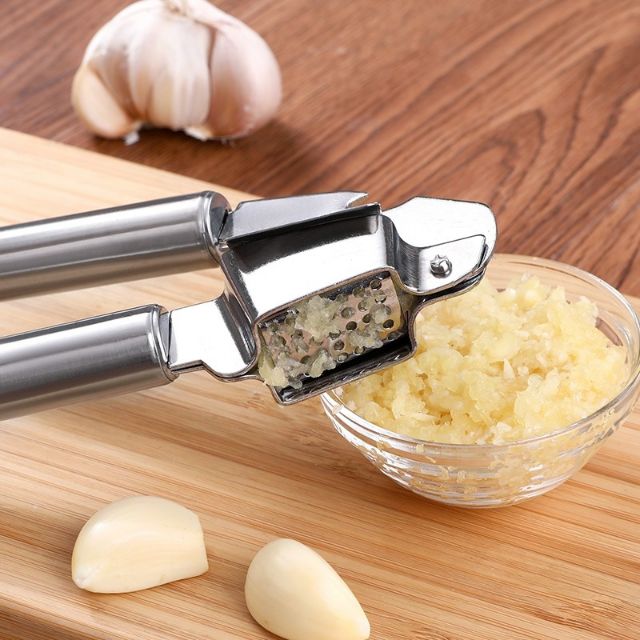
    Garlic Press

    A popular favorite, especially for the people who frequently prepare meals that include 10 to 15 minced garlic cloves.

    Thermometers

    Like the timers, the thermometer is not usually thought of as a type of gadget. However, they are classified as designed tools that include one of the essentials inside a kitchen. This is the type of gadget that does away with the guesswork. You can read useful Kitchen Gadget Lab reviews for you to choose the right one. You may want to invest in 3 which includes the deep fry, oven and instant read.

    Manual Juicer

    Not everyone makes use of their juicers every day, but for the type that do, the well-designed juicers and far better than a citrus juicer or small reamers. The powerful juicers are the ideal gadgets for individuals that prefer fresh juices or the one that bake cakes that contain lemon juice.

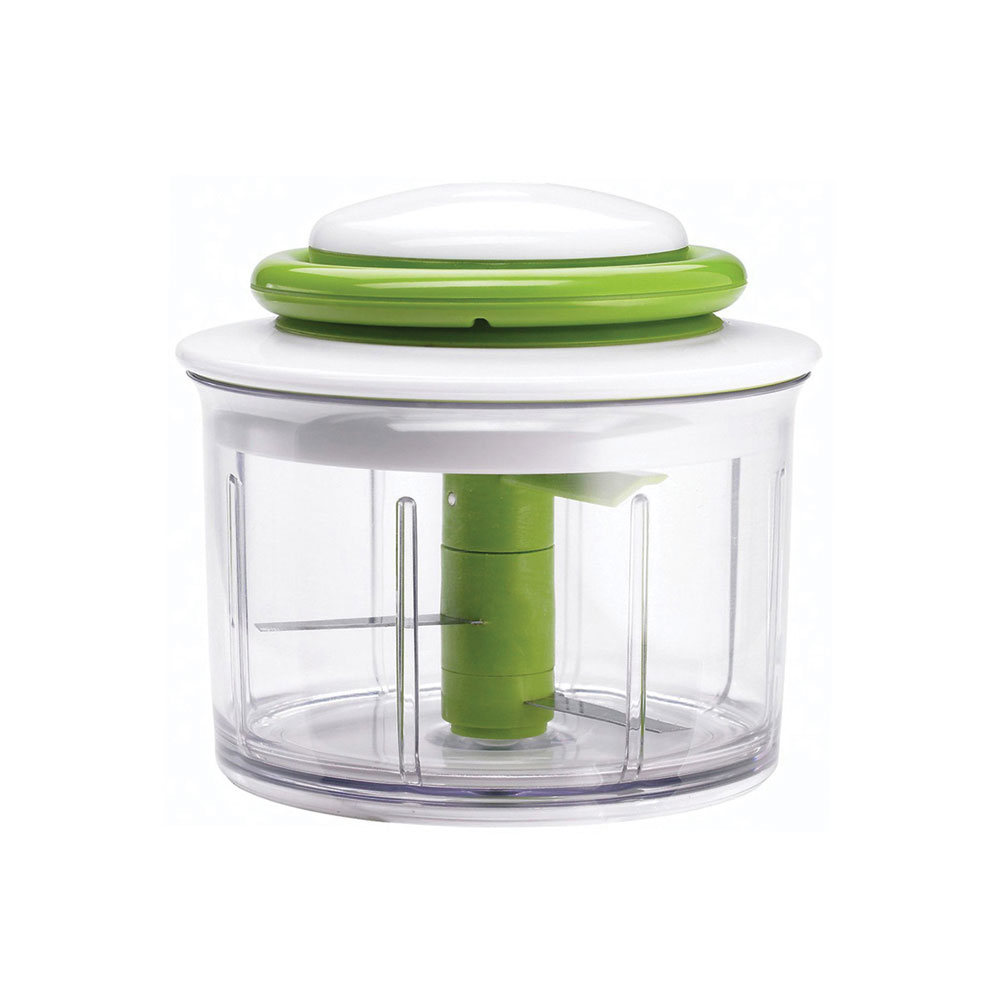
    VeggiChop

    One of the favorites for many homeowners, this a small manual food-processor which will become your consistent companion, especially in the summer months. It is ideal for making the perfect salsas, rubs and dips, and is far easier and lighter to clean in comparison to a food processor.

    Pepper Mill

    Investing in a durable pepper mill is one of the most important gadgets for just about any kitchen and is one of the classic examples of how some of the tools serve only one purpose. You could use your spice mill for pepper, but when you use a lot of pepper, using a spice mill would be impractical.

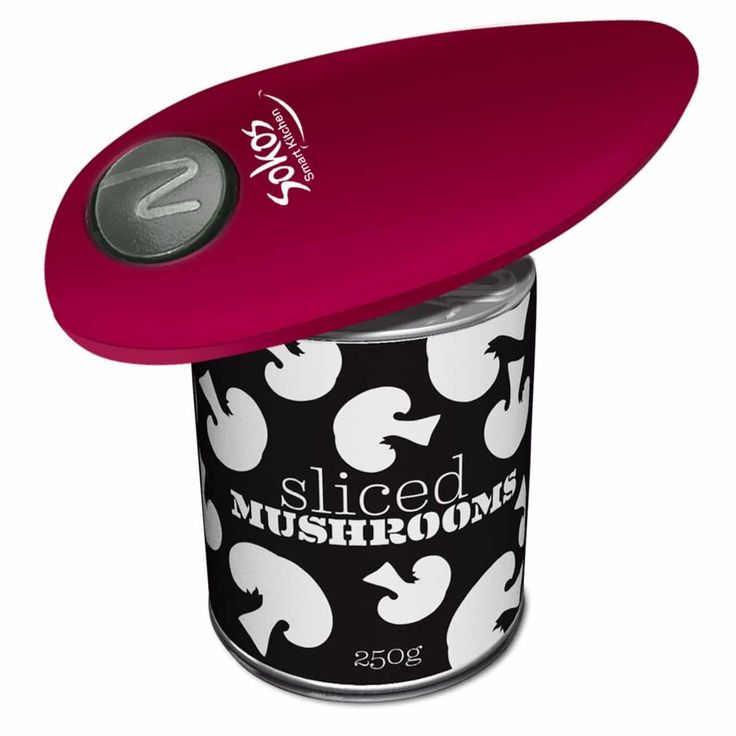
    Electric Can Opener

    A good can opener is one of those great gadgets, with no other tool that can really replace it.

  • Cooking on Countertop Convection Ovens

    If you are serious about your cooking we recommend you look at countertop convection ovens. These kitchen lifesavers can do almost anything that your conventional oven can while using less electricity and without generating extra heat in the kitchen. The list of considerations is pretty short, what size should you choose and what features are important for how you cook? If you aren’t sure what convection cooking is, click on the link below to learn more. If you are already on board with this efficient cooking technique, read on!

    What Size Should You Get?
    If you do a lot of cooking you may feel like bigger is better. It’s true that the larger ovens (33 liters or 1.15 cubic feet and up) can handle up to a 13lb turkey, but do you really need that much on a regular basis? There is a downside to the largest ovens beyond the actual “footprint” on your countertop. The larger the oven cavity, the longer it takes to come up to temperature. Countertop convection ovens run on a standard 110-volt electrical circuit which maxes out at 1800 watts. Your conventional oven is wired into a 220-volt circuit and has a lot more wattage. So, if you don’t really plan to use the extra cooking space very often, you could be better served by choosing a medium sized oven in the 20 liter (.7 cubic feet), to 26 liter (.91 cubic feet) range that will heat up more quickly for day in day out kitchen duty.

    What Features Should You Consider?
    There are quite a few additional features to be considered. Most common are rotisserie function, oven light, digital controls, non-stick interior, extra racks, “stay on” and a 2-hour timer (basic units typically have a 1-hour countdown timer). The stainless steel exterior is another common feature that does nothing functionally but sure looks nice. Expect to pay another $15 to $20 for stainless, but if you like it go for it! All of these features have a cost, so expect to pay a bit more for them. Must have features we recommend are non-stick interior for easy cleanup, digital controls for more accurate temperature control and the rotisserie feature. The other features are nice to have, but not necessary if the price is an issue.

    A Note on Temperature Control
    Here is a tip on thermostats in countertop ovens. They aren’t very accurate! All countertop ovens are fairly “low tech”. The plus or minus on the thermostat can be as much as 54 degrees for a manual control oven. That is a total variation of 108 degrees! Digitally controlled ovens are better, but still not great, plus or minus 27 degrees. For most needs, this is not a problem. But if you are doing some serious food prep or baking, we recommend getting an oven thermometer and experimenting with your oven to get a feel for the thermostat in your oven.